
InesStructureMonitoring
End-to-end monitoring of structures and bridges
From sensors to alerts: ingestion, machine learning and visualisation to detect anomalies in structures.
From sensorto decision.
- 01
Sensors
Accelerometers, strain gauges and temperature probes installed on the structure.
- 02
Cloud ingestion
Data is acquired and stored in the cloud, raw and compressed, ready for retraining.
- 03
Signal processing
Filtering, decimation and sensor synchronisation, as each algorithm requires.
- 04
Models and OMA
Machine learning trained on historical data and automatic operational modal analysis.
- 05
Alert and decision
Immediate warning with its severity and all the context needed to act.
Monitoring and management
Our monitoring solution covers data ingestion, advanced analysis, machine learning model training, anomaly alerts and results visualisation, based on the sensors installed on the structure.
What it does
01Data ingestion
Connection to the sensors on the structure (accelerometers, strain gauges, temperature…). Data is acquired and stored in the cloud for processing.
02Advanced machine learning
Models trained on historical data learn the normal behaviour of the structure and then detect any anomaly.
03Alert generation
Email notification of every anomalous event as soon as it is detected, with its severity based on its statistical likelihood.
04Results visualisation
A platform showing the context of each result: weather, related sensors and the variables the models use, such as accelerations during a train passage.
A system that watches on its own
Downloading, signal processing, model runs and alert generation are executed automatically every day. You only need to look when the models flag a measurement as anomalous. Notifications arrive by email or through any messaging service required.
Signal processing
- Processing tuned to the frequency range of interest and the resolution each algorithm requires (OMA, train passages…).
- Filtering and decimation to isolate the modes that matter for structural safety.
- Synchronisation of waveforms from several sensors when the acquisition system does not provide it natively.
Automatic OMA
Our own algorithm for computing vibration modes without external excitation (Operational Modal Analysis). It is tuned to each structure using its history, so mathematical artefacts are not mistaken for real modes.
Cloud deployment
Designed to be deployed in the cloud easily: lower cost and higher reliability.
Efficient storage
Raw data compressed in AWS S3 for model retraining. Processed signals and results in InfluxDB to chart them instantly.
Product screenshots
Where we have applied it
Spain
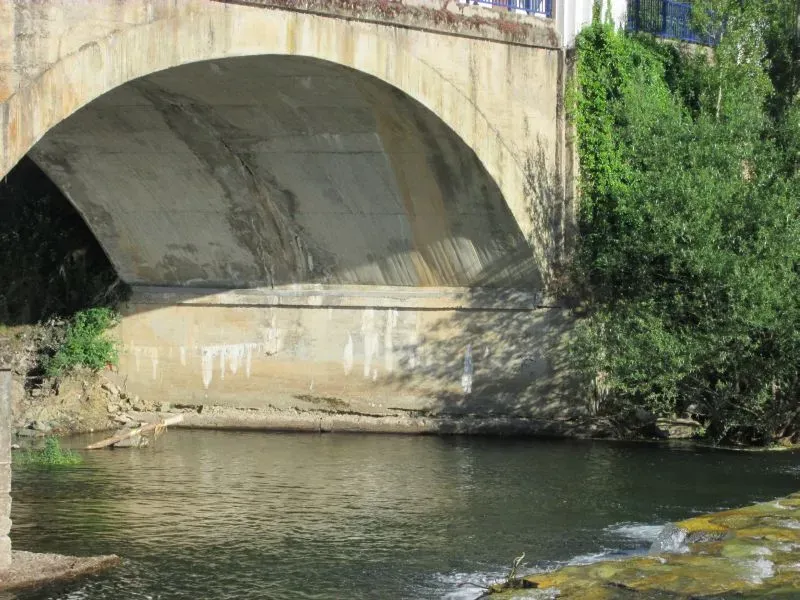
Scour risk with machine learning
Machine learning models to estimate the scour risk of bridges over watercourses.
View project on ines.es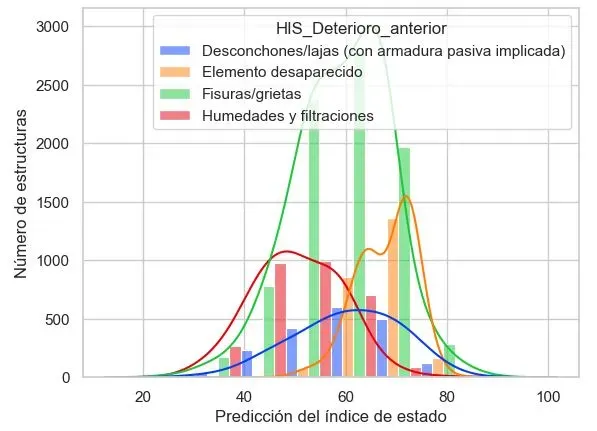
Spain
Bridge condition prediction
Machine learning to anticipate the condition of more than 25,000 bridges of the Ministry of Transport.
View project on ines.es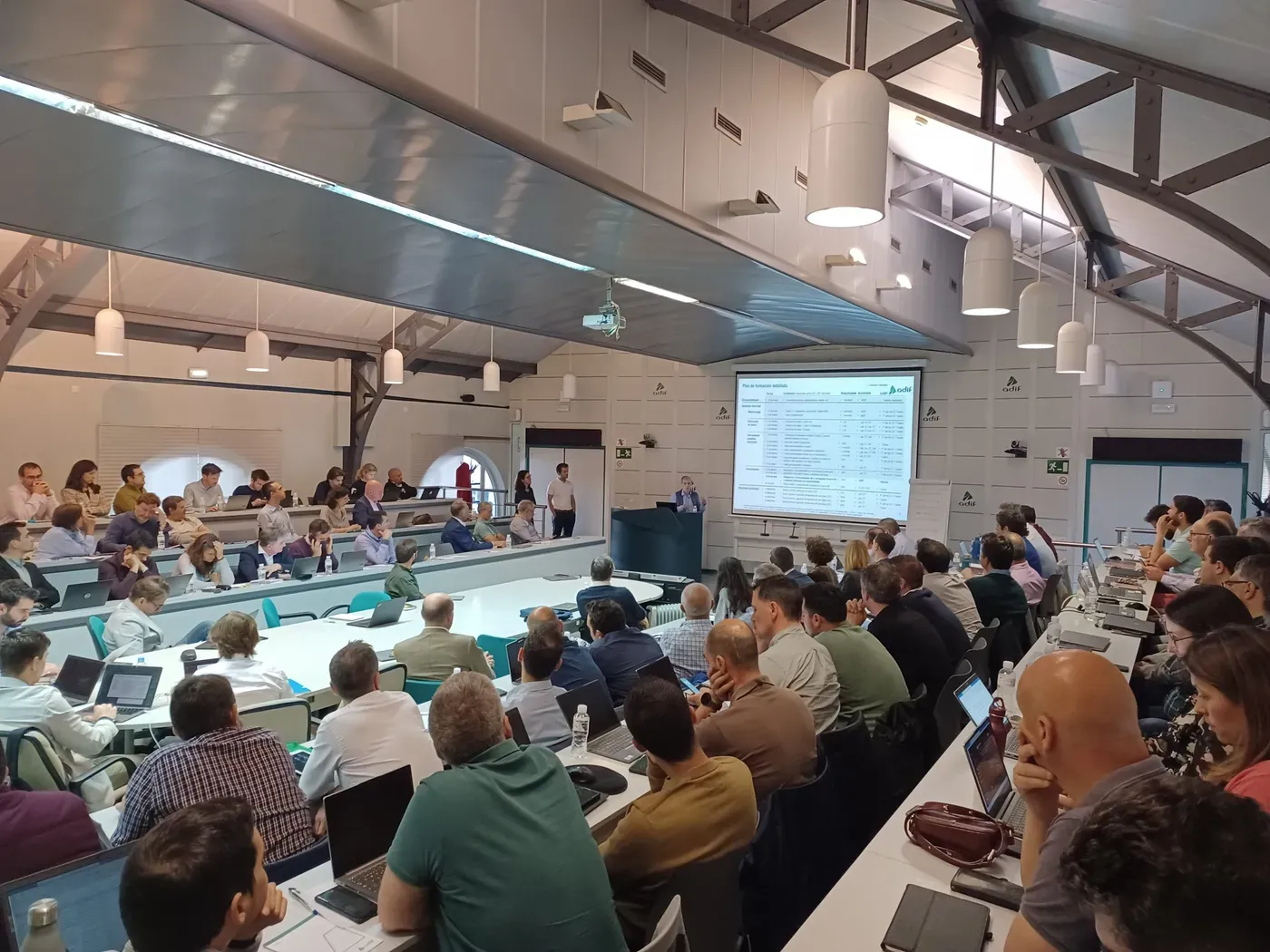
Spain
Predictive maintenance of railway assets
Advanced analytics for ADIF, which manages more than 16,000 km of conventional and high-speed track.
View project on ines.es
Want to see itin action?
We will show you Ines StructureMonitoring with data and cases similar to yours, and answer your technical questions.